Why HowDoI matters
Real skills. Real people. Stronger communities.
Everyone knows something worth sharing.
The mechanic who has spent forty years fixing engines. The neighbor who can teach you to grow vegetables. The photographer who knows how to use a camera beyond automatic mode. The young person who can help someone navigate new technology.
These skills have value. So do the people who possess them.
HowDoI is being built to make it easier for people to learn useful skills from one another, in person, in their own communities. We believe learning can do more than solve a problem. It can create opportunity, confidence, and connection.
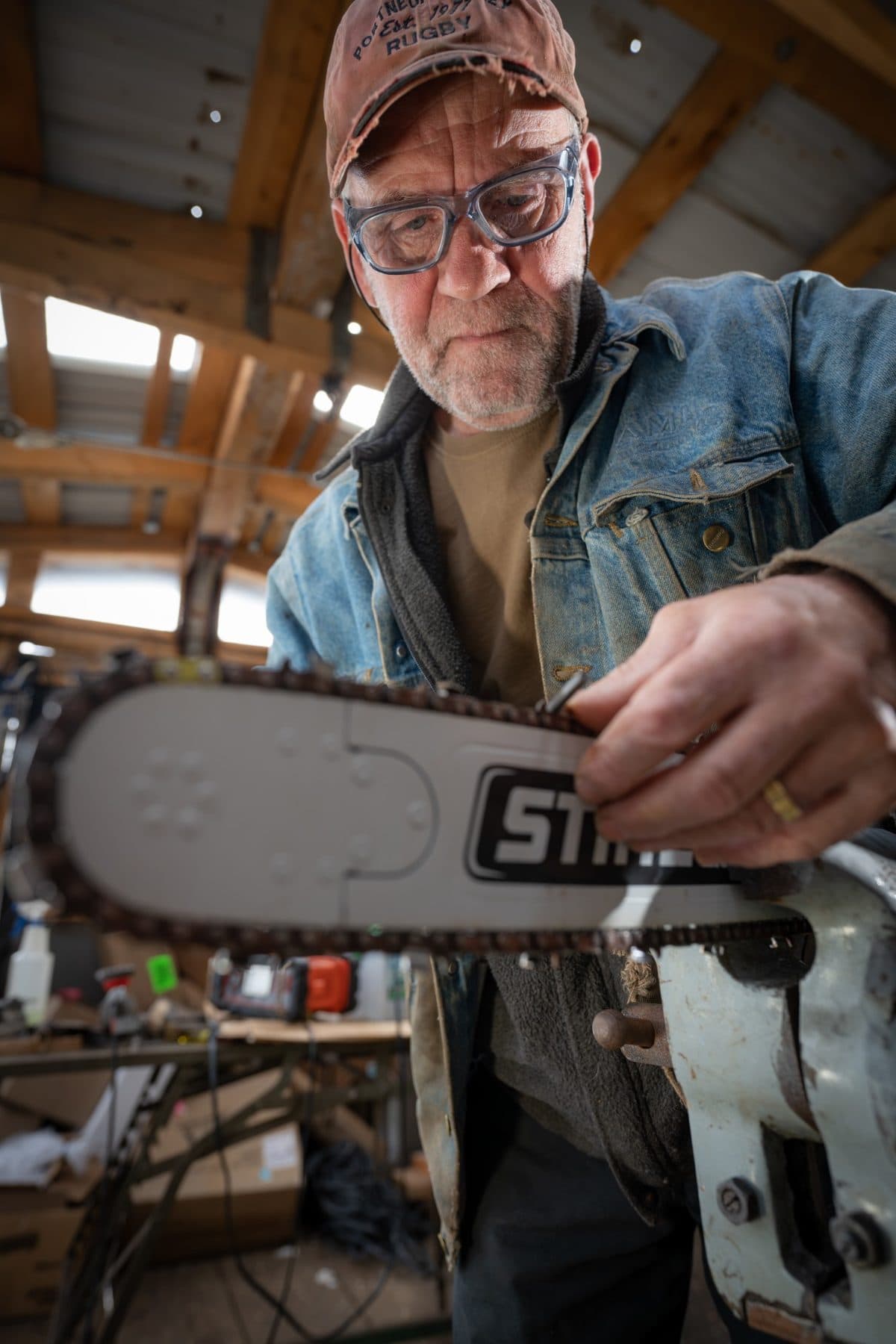
Experience should keep opening doors
Retirement doesn't erase a lifetime of knowledge. For some people, teaching a skill could offer flexible income, meaningful activity, and a chance to meet others. For others, sharing a skill is simply something they enjoy.
67%
of retirees who worked for pay in the previous month said they work at least partly for enjoyment, purpose, or social connection.
52%
said they work at least partly for the money.
Many gave both reasons. Source: Federal Reserve, Economic Well-Being of U.S. Households in 2025, published 2026.
HowDoI is designed to make that exchange possible, without requiring someone to take on a traditional job.
The internet can show you. A person can teach you.
There are videos explaining almost anything. But when you're learning to back a trailer, use a new tool, make a repair, or throw your first pot, it can help to have someone beside you.
87%
of U.S. YouTube users said the service was important for figuring out how to do things they hadn't done before.
Source: Pew Research Center, 2018.
We see that appetite for practical knowledge as an opportunity to bring learning back into the real world. Not to replace videos, but to offer something different: questions, feedback, practice, and human connection.
A skill can connect generations
Someone with decades of experience can teach a beginner. A young person can teach an older neighbor. A hobbyist can share a passion with someone trying it for the first time.
We don't believe expertise belongs to one age group, profession, or degree. If you know how to do something and can teach it responsibly, you may have something valuable to offer.
Good for individuals. Potentially good for communities.
When people teach locally, they can earn locally. Learners can gain confidence and practical ability. Neighbors can meet neighbors. Skills can move between generations instead of staying with one person.
These are the outcomes we want HowDoI to help create. As the platform grows, we intend to measure whether we're delivering them.
What do you know? What would you like to learn?
Stop Googling. Start learning.
Research behind this page
- Federal Reserve Board, Report on the Economic Well-Being of U.S. Households in 2025, Employment and Job Quality (published May 2026). Among retirees who worked for pay in the previous month, 67% cited any nonfinancial reason and 52% any financial reason; respondents could give more than one reason. View the source (opens in a new tab)
- Pew Research Center, Many Turn to YouTube for Children's Content, News, How-To Lessons (November 2018). Survey of 4,594 U.S. adults, May 29 to June 11, 2018; 87% of YouTube users said the service was important for figuring out how to do things they had not done before. This shows interest in how-to content, not demand for paid in-person lessons. View the source (opens in a new tab)
These studies describe broader trends, not measured HowDoI outcomes. HowDoI does not claim that these percentages represent its customers or teachers.